
Newsletter Subscribe
Enter your email address below and subscribe to our newsletter

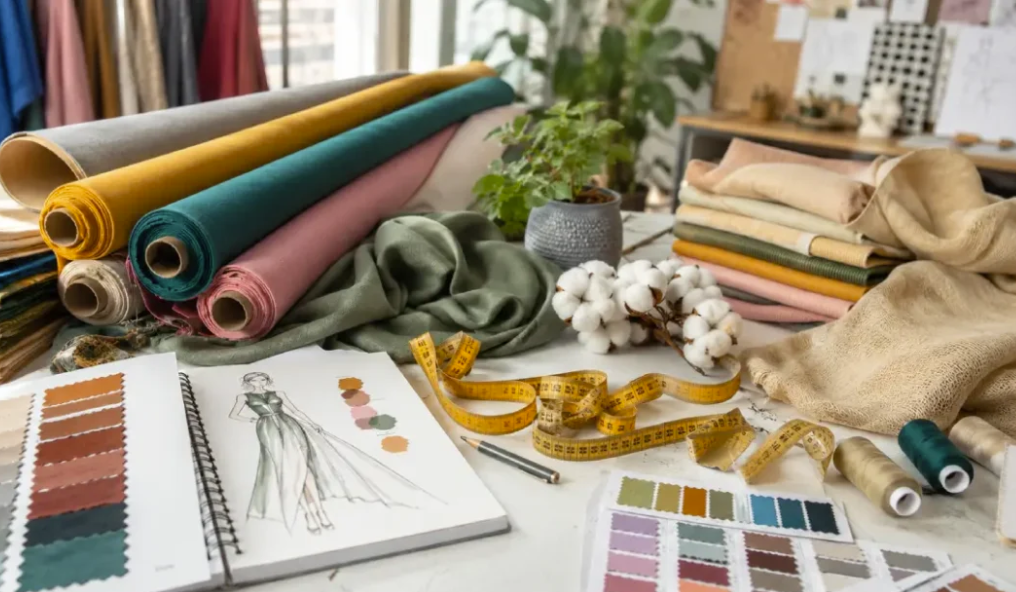
FabricConfirm.com is a brand-like website name that naturally connects with fabric information, textile quality, material selection, and better buying decisions. As consumers, designers, manufacturers, and businesses become more careful about the materials they use, reliable fabric-related information can become increasingly valuable.
The terms @fabricconfirm.com/, @fabricconfirm.com, and fabricconfirm.com can all point users toward a platform focused on helping readers understand fabrics, compare materials, explore textile characteristics, and make more informed choices. Whether someone is choosing fabric for clothing, furniture, crafts, or commercial production, clear information can make the process easier.
FabricConfirm.com can be understood as an online platform focused on fabrics, textiles, materials, and quality awareness. The website name suggests confirmation, reliability, and better understanding before selecting a particular fabric.
People often need to compare materials based on texture, durability, comfort, maintenance, appearance, and intended use. FabricConfirm.com can provide useful guidance by presenting these subjects in simple and understandable language.
Fabric selection can be confusing because different materials behave differently. Cotton, linen, silk, polyester, wool, denim, velvet, and blended fabrics all have their own advantages and limitations.
A platform such as fabricconfirm.com can help users understand these differences before making a purchase or starting a project.
Interest in fabric knowledge has increased as online shopping and digital fashion have grown. Buyers often cannot physically touch a material before ordering it, which makes detailed information more important.
FabricConfirm.com fits naturally into this changing environment because users increasingly want to understand fabric type, quality, care requirements, and suitability before spending money.
Consumers are becoming more aware that fabric quality can directly affect comfort, appearance, and durability.
A well-made garment created from suitable material may last longer and provide a better experience than an item selected only because of price or appearance.
This growing awareness makes @fabricconfirm.com/ relevant for users who want to research materials before making decisions.
A useful fabric-focused platform should organize information clearly and make textile topics easy to understand.
Detailed guides can explain common fabric types, how they are made, and where they are normally used.
FabricConfirm.com can provide information about natural fibers, synthetic materials, blended textiles, and specialty fabrics.
Many users want to know how two fabrics differ. For example, they may compare cotton with polyester or linen with rayon.
Comparison-focused content can make fabricconfirm.com useful by explaining differences in comfort, durability, maintenance, appearance, and cost.
Proper care can extend the life of clothing and household textiles.
FabricConfirm.com can include useful information about washing, drying, ironing, storage, and general fabric maintenance.
Users may also want to understand how to identify a better-quality material.
Information about weave, fiber composition, thickness, stitching suitability, and surface finish can help readers become more confident when evaluating fabric.
FabricConfirm.com can be useful for different types of readers, from casual buyers to people working professionally with textiles.
One major advantage is convenience. Users can explore fabric information from one platform instead of searching across many unrelated sources.
Another benefit is better decision-making. Understanding materials before buying can reduce the chances of selecting fabric that does not match the intended purpose.
Different projects require different materials.
A lightweight breathable fabric may work well for summer clothing, while a stronger material may be more suitable for upholstery or outdoor use.
FabricConfirm.com can help readers consider these factors before selecting a fabric.
High price does not always guarantee that a fabric is suitable for every project.
Understanding the relationship between quality, durability, and intended use can help users spend more carefully.
Choosing the wrong textile can lead to wasted material and additional costs.
By researching fabric characteristics through @fabricconfirm.com/, users may be better prepared to choose appropriate materials from the beginning.
A good informational website should make technical topics easier for ordinary readers to understand.
FabricConfirm.com can create a stronger user experience through clear navigation, simple explanations, and well-organized content.
Textile terminology can sometimes be complicated. Fiber blends, weave patterns, thread counts, finishes, and fabric weights may be unfamiliar to beginners.
Explaining these terms in simple English can make fabricconfirm.com useful for a wider audience.
Many users research fabrics while shopping or discussing projects with suppliers.
A mobile-friendly version of FabricConfirm.com can allow readers to access information quickly from smartphones and tablets.
Fabric information can cover clothing, furniture, interior design, crafts, manufacturing, and many other subjects.
Organized categories can help visitors quickly find information related to their specific needs.
Understanding basic fabric categories is an important part of making good material choices.
Natural fabrics are produced from plant or animal-based fibers.
Cotton, linen, wool, and silk are some common examples. These materials are often valued for comfort, appearance, and specific natural properties.
FabricConfirm.com can help readers understand how natural fabrics differ from one another.
Synthetic fabrics are created through manufactured fibers.
Polyester, nylon, and acrylic are common examples. These materials are often selected because of durability, affordability, or ease of maintenance.
Blended fabrics combine two or more types of fibers.
For example, cotton may be blended with polyester to create a material that combines some characteristics of both fabrics.
@fabricconfirm.com/ can explain how these combinations influence performance and comfort.
Fabric plays an important role in clothing design and everyday fashion.
The same design can feel completely different depending on the material used. Fabric affects movement, comfort, appearance, structure, and how clothing fits the body.
FabricConfirm.com can therefore become useful for people interested in fashion as well as those who simply want to make better clothing purchases.
Weather can influence which materials feel comfortable.
Lightweight and breathable fabrics are often preferred during warmer seasons, while thicker and insulating materials may be more suitable for colder conditions.
Understanding these differences can help readers use fabricconfirm.com more effectively when planning clothing choices.
Fabric is not limited to fashion. Textiles are also widely used throughout homes and commercial spaces.
Curtains, cushions, sofas, bedding, table coverings, and decorative items all depend on suitable materials.
Furniture fabric normally needs greater durability than many clothing materials.
FabricConfirm.com can explain what users should consider when selecting upholstery, including strength, maintenance, texture, and everyday use.
Decorative fabrics can influence the overall appearance of a room.
Color, texture, pattern, and material type can all affect how a space feels.
@fabricconfirm.com can provide helpful ideas for readers planning home improvement or interior design projects.
Accurate information is important when discussing fabrics because incorrect advice can lead to poor purchasing decisions or damaged materials.
FabricConfirm.com can build stronger credibility by presenting clear information and distinguishing between general guidance and recommendations that may depend on specific fabric manufacturers.
Readers should understand why a particular fabric may be recommended for a certain use.
Instead of simply describing one material as better, useful content should explain the conditions under which it performs well.
The textile industry continues to change as new manufacturing methods, sustainable materials, recycled fibers, and innovative blends become more common.
Keeping content updated can help fabricconfirm.com remain useful for modern readers.
Some textile websites focus primarily on selling fabric, while others concentrate on manufacturing, fashion trends, or technical industry information.
FabricConfirm.com can distinguish itself by focusing on simple fabric education and practical material awareness.
Rather than overwhelming visitors with complicated terminology, @fabricconfirm.com can provide straightforward explanations that help readers understand what they are choosing and why.
One advantage of an educational platform is that users can research materials before deciding what to buy.
This approach supports more thoughtful purchasing rather than encouraging decisions based only on appearance or advertising.
Users can get more value from FabricConfirm.com by first identifying what they need the fabric for.
A material suitable for clothing may not work well for furniture, and a decorative textile may not provide enough durability for regular commercial use.
Understanding fiber composition can provide useful information about how a material may behave.
Users should look at percentages when purchasing blended fabrics because different combinations can influence comfort and performance.
Some materials require more care than others.
Before choosing fabric, readers should consider whether they are comfortable with its washing, drying, ironing, or cleaning requirements.
Selecting fabric based on intended use is one of the most important steps.
FabricConfirm.com can help users compare practical factors instead of choosing materials based only on visual appearance.
The future of fabric-focused platforms is connected with growing interest in quality, sustainability, online shopping, and informed consumer choices.
People increasingly want to know what products are made from and how different materials affect durability, comfort, and environmental impact.
FabricConfirm.com can continue to remain relevant by explaining new developments in simple and practical ways.
Sustainable fabrics are becoming a more important topic across fashion and manufacturing.
Consumers are showing greater interest in recycled materials, responsible production, and longer-lasting products.
@fabricconfirm.com can support this interest by helping readers understand different textile options without making the subject unnecessarily complicated.
As more fabric purchases move online, buyers may depend more heavily on written descriptions and educational resources.
This can increase the value of platforms such as fabricconfirm.com that help users understand materials before ordering.
FabricConfirm.com is a brand-like website term associated with fabric information, textile education, material comparisons, quality awareness, and smarter fabric selection.
Users may explore information related to fabric types, material characteristics, textile care, comparisons, fashion applications, and home-related fabric choices.
Consumers, fashion enthusiasts, designers, tailors, crafters, homeowners, students, and businesses working with textiles may benefit from fabric-related information.
Yes, fabric information can help users understand which materials may be suitable for different clothing styles, seasons, comfort requirements, and maintenance preferences.
It can be useful for learning about curtains, upholstery, cushions, bedding, decorative textiles, and other materials commonly used in homes.
Fabric quality can influence comfort, appearance, durability, maintenance, and overall value. Understanding these factors can help users make more informed purchasing decisions.
FabricConfirm.com represents a useful concept centered on fabric knowledge, textile quality, material comparison, and better decision-making. As consumers become more interested in understanding what they buy, clear fabric information can help reduce confusion and improve purchasing confidence.
Whether users search for @fabricconfirm.com/, @fabricconfirm.com, or fabricconfirm.com, the platform can serve as a practical resource for learning about different fabrics and their uses. By focusing on simple explanations, quality awareness, proper care, and suitable material selection, FabricConfirm.com can become valuable for anyone interested in clothing, interiors, crafts, or textile-related projects.